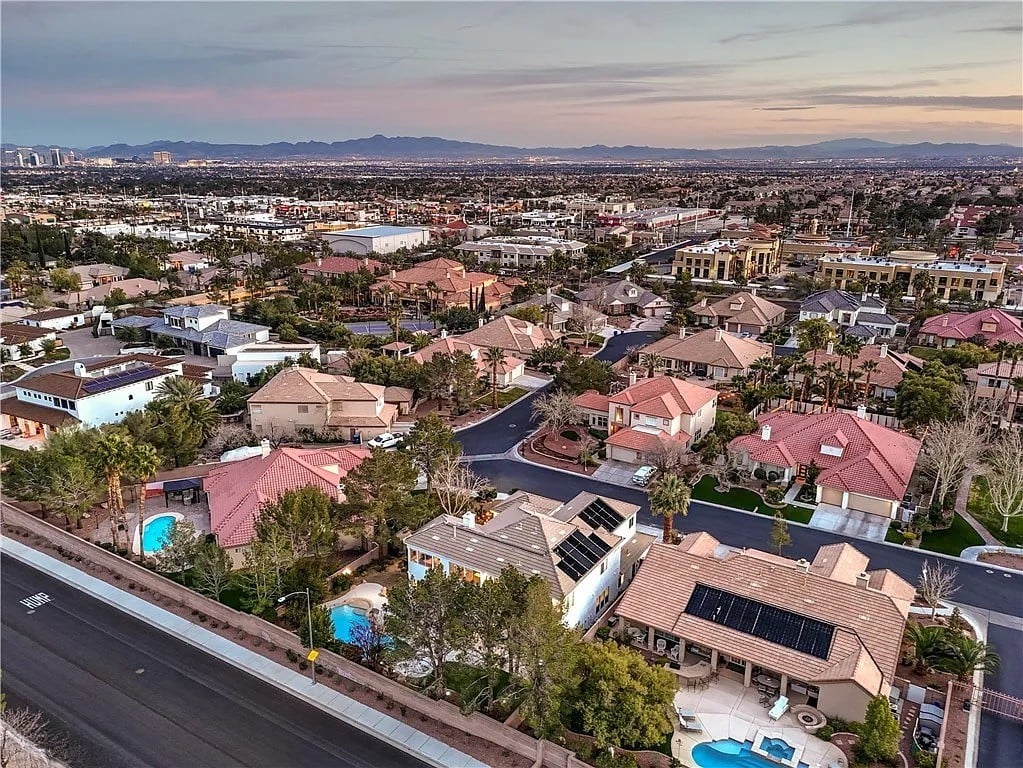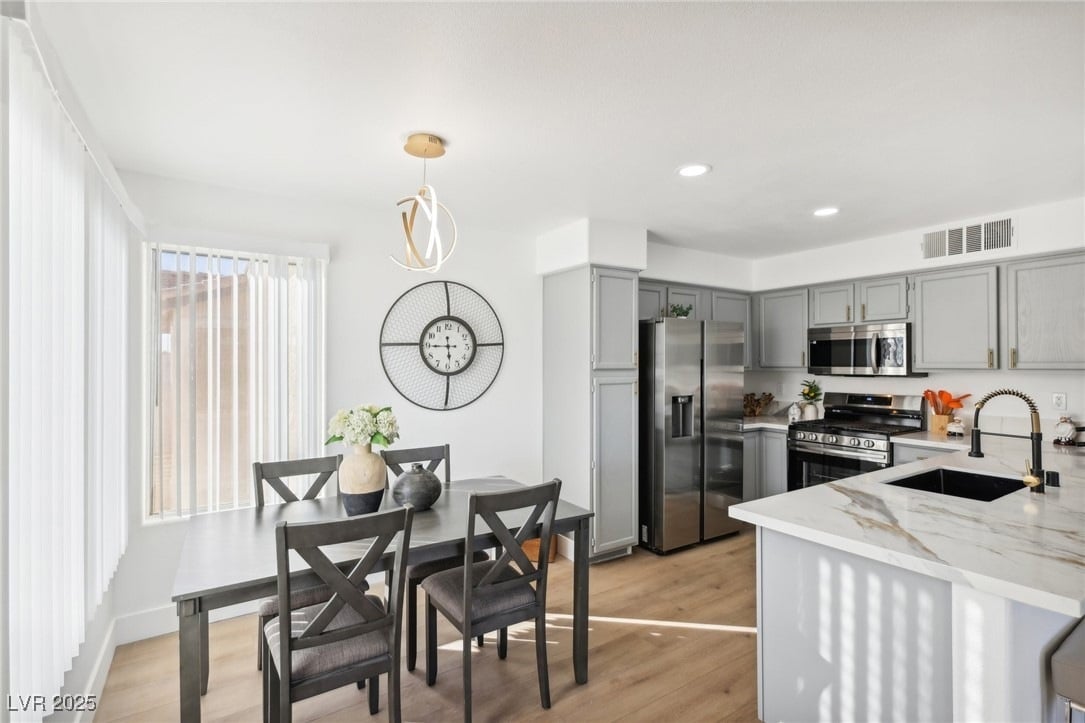
A home showing gives buyers an opportunity to evaluate more than the floor plan, finishes and asking price. The condition of the property, its location within the neighborhood, the surrounding homes and the potential costs of ownership all deserve attention before making an offer.
In Las Vegas, buyers may tour homes built decades apart, with different construction methods, renovation histories, lot sizes and homeowners association requirements. Two properties with similar square footage and asking prices can have substantially different maintenance needs and long-term costs.
Knowing what to examine during a showing helps buyers identify questions worth investigating before committing to a purchase.
Start With the Property's Location
The neighborhood may be familiar, but the individual lot deserves a closer look.
Consider the home's position on the street. A property on a corner, near a community entrance or backing to a major road may experience different traffic and noise conditions than one on an interior street.
Look at the neighboring properties and what is immediately behind the backyard. A home bordering an undeveloped parcel, commercial property or major roadway may warrant additional research.
In newer areas of Southwest Las Vegas, Henderson and the northwest valley, vacant land can be especially relevant. Buyers should check available planning and zoning information to understand what uses may be permitted nearby. An empty parcel should not be assumed to remain undeveloped.
Also consider the home's orientation.
Las Vegas receives intense afternoon sun, particularly during the summer. West-facing windows and backyards can affect how outdoor spaces are used and how much direct sunlight enters the home. Window treatments, shade structures, landscaping and energy-efficient glass may help, but buyers should evaluate the property's exposure rather than relying entirely on its appearance during a morning showing.
Look Beyond the Interior Updates
New flooring, fresh paint, remodeled kitchens and updated bathrooms can make an older home attractive. The quality and extent of the improvements deserve closer examination.
Some renovations involve substantial work, including plumbing, electrical systems, cabinetry and waterproofing. Others are primarily cosmetic.
During a showing, look for uneven flooring, visible water stains, damaged baseboards, cracked tiles, poorly fitted cabinets and other signs of unfinished or questionable work. These observations do not necessarily indicate serious problems, but they can help identify areas for further inspection.
Ask when the renovations were completed and whether permits were required and obtained for applicable work.
Buyers should also consider whether the layout functions well for their needs. A beautifully renovated home may still have limited storage, awkward room dimensions or insufficient separation between living and sleeping areas.
Floor plans are expensive to change. Cabinet hardware and paint colors are relatively easy to replace.
Pay Attention to the Roof, HVAC and Major Systems
Las Vegas homes depend heavily on air conditioning. HVAC age, maintenance history and performance should be part of the property's evaluation.
Ask about the age of the equipment and whether service records are available. A functioning system may still be approaching a point when major repairs or replacement become necessary.
The roof is another consideration, particularly in established neighborhoods. Buyers should find out its approximate age, whether repairs have been completed and whether there is any known history of leaks.
Other systems worth reviewing include:
- Water heater age and condition
- Plumbing fixtures and visible signs of leaks
- Electrical panel and any known modifications
- Windows, doors and weather seals
- Attic insulation and ventilation
- Pool and spa equipment, where applicable
A showing cannot replace a professional home inspection. It can, however, help buyers identify questions to raise with the seller and inspectors.
Evaluate the Backyard and Lot
Outdoor space is a substantial part of homeownership in Las Vegas, and lot characteristics vary widely between neighborhoods.
A larger backyard may accommodate a pool, covered patio, outdoor kitchen or additional landscaping. Buyers should confirm whether their intended improvements are feasible under applicable setbacks, easements, HOA restrictions and permitting requirements.
Existing improvements also deserve attention.
For homes with swimming pools, examine the visible condition of the pool surface, decking and surrounding hardscape. Ask about equipment age, repairs and maintenance history. A professional pool inspection can provide more information about components that cannot be evaluated during a showing.
Privacy is another consideration. Neighboring two-story homes, elevated lots and nearby streets may affect how exposed the backyard feels.
For golf course properties or homes with mountain views, evaluate the specific position of the lot. Views, sunlight, privacy and nearby activity can vary considerably between homes within the same community.
Understand the HOA Before You Commit
Homeowners associations are common throughout Las Vegas, Henderson, Summerlin and many master-planned communities.
Before making an offer, buyers should understand whether the property belongs to one or multiple associations and what the current fees cover.
Depending on the community, HOA documents may address architectural changes, landscaping, parking, rental restrictions, exterior maintenance and use of common facilities.
Buyers should also review available financial information, including reserve funding, planned capital projects and any known special assessments.
In Nevada, buyers of resale properties in common-interest communities generally receive a resale package with association documents and disclosures. State law provides a limited period to cancel the purchase agreement after receiving the required package, subject to the applicable statutory provisions.
That review period is valuable, but buyers should ask about known HOA obligations and restrictions before submitting an offer whenever possible.
Compare the Home With Recent Sales
An asking price is the seller's proposed price. Buyers need to determine whether it is supported by the property and the market.
Recent comparable sales provide a starting point, but the details matter.
A home with the same square footage may have a different lot size, floor plan, renovation quality, pool, garage configuration or location within the neighborhood. Those differences can affect value.
Active listings also provide useful context. They show the alternatives available to buyers at the time they are considering an offer.
A property that has been listed for several weeks may warrant a closer look at its pricing history and condition. Days on market alone, however, do not establish that a seller will accept a particular offer.
The comparison should account for the home itself, recent transactions, current competition and the terms of the proposed purchase.
Consider the Full Cost of Ownership
The purchase price is only one part of the financial decision.
Property taxes, insurance, HOA fees, utilities, maintenance and anticipated repairs should be considered alongside the mortgage payment.
For older homes, buyers may want to budget for eventual HVAC replacement, roofing work or other major systems. A property with a pool or extensive landscaping will have additional maintenance requirements.
Insurance costs and coverage should be confirmed for the specific property rather than estimated solely from neighborhood averages.
Nevada property taxes also deserve individual attention. The current owner's tax bill may not accurately represent what a new buyer will pay. Buyers should obtain an estimate based on their anticipated ownership and the property's applicable tax treatment.
For new construction, compare the complete cost of the finished home, including lot premiums, upgrades, landscaping and improvements that may be needed after closing.
These figures can change how two similarly priced homes compare financially.
Know What Still Needs to Be Verified
Some information can be gathered before an offer. Other details require inspections, document review or professional evaluation after the property is under contract.
Before submitting an offer, buyers should understand the deadlines and contingencies in the proposed purchase agreement, including those related to inspections, financing and appraisal.
A seller disclosure provides information about known property conditions, but it is not a substitute for independent inspections.
Depending on the property, additional evaluations may be appropriate for the roof, pool, HVAC, plumbing, electrical systems or other components.
Buyers should also verify information that could affect their intended use of the home, including permitted additions, property boundaries, easements and HOA restrictions.
The goal is to identify potential concerns early and understand how they can be investigated before the relevant contractual deadlines expire.
Making an Informed Offer on a Las Vegas Home
A home may meet a buyer's needs and still require careful evaluation before an offer is submitted.
The asking price, condition, location, anticipated expenses and available alternatives should all inform the decision. Contract terms also matter, including the proposed closing date, financing, contingencies and any requested seller concessions.
With more than 25 years of experience in Las Vegas real estate, Timothy Low helps buyers evaluate homes throughout the Las Vegas Valley, from established residential neighborhoods to custom luxury properties. His approach includes reviewing comparable sales, identifying property-specific considerations and explaining the terms and responsibilities involved in a purchase.
If you're preparing to buy a home in Las Vegas, Henderson, Summerlin or the surrounding communities, contact Timothy Low to discuss your home search and the properties you're considering.