Selling a home in Las Vegas while living in another state requires coordination, particularly when the property is vacant, occupied by tenants or needs work before it can be listed. The owner may be hundreds or thousands of miles away, but the home still needs to be evaluated, prepared, photographed, shown and maintained throughout the sale.
Many parts of the transaction can be handled remotely. Documents can often be signed electronically, property updates can be shared through photos and video, and closing arrangements can be coordinated without the seller returning to Nevada. The practical challenge is managing everything that needs to happen at the property.
An experienced local real estate agent can help organize that work and keep the seller informed as the transaction progresses.
Start With the Property's Current Condition
Before establishing a listing price or scheduling photography, the property's condition needs to be evaluated.
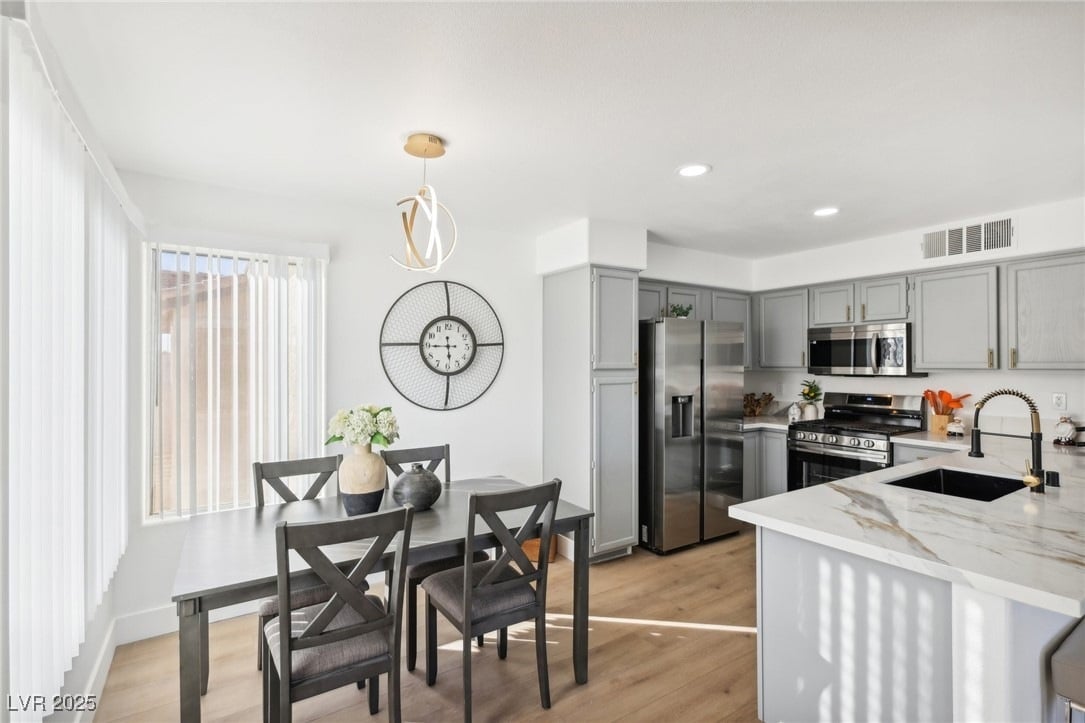
A home that has been vacant for several months may need cleaning, landscaping, minor repairs or attention to mechanical systems. An occupied property presents different considerations, including access, showing schedules and the condition in which the home will be delivered to the buyer.
For an out-of-state owner, a detailed property walkthrough is a useful first step. Photos and video can document the condition of the home and identify items that may need attention.
The evaluation should include the exterior, landscaping, interior finishes, appliances and major systems. In Las Vegas, air conditioning, irrigation and pool equipment deserve particular attention, especially if the home has been unoccupied.
The seller should also gather available records for improvements, repairs, warranties and permits. These can help answer buyer questions later in the transaction.
Decide Which Repairs Are Worth Completing
Preparing a property for sale doesn't necessarily require extensive renovations.
The appropriate work depends on the home's condition, the surrounding market and the properties buyers will be comparing with it.
In an established Las Vegas neighborhood, a home may compete with both original-condition properties and extensively remodeled homes. The pricing difference between those groups can help determine whether additional work is financially justified.
Cleaning, landscaping, paint touch-ups and necessary maintenance may be sufficient. Other properties may benefit from more substantial repairs before being listed.
For owners living outside Nevada, the cost of coordinating that work also deserves consideration. Contractors need access, estimates must be reviewed and completed work should be verified.
I help sellers evaluate which improvements are appropriate for the property and can assist with coordinating access and local service providers. The goal is to make informed decisions about preparation costs before committing to the work.
Pricing a Home When You Aren't Following the Local Market
An owner who has moved away may not be familiar with recent sales or current competition in the neighborhood.
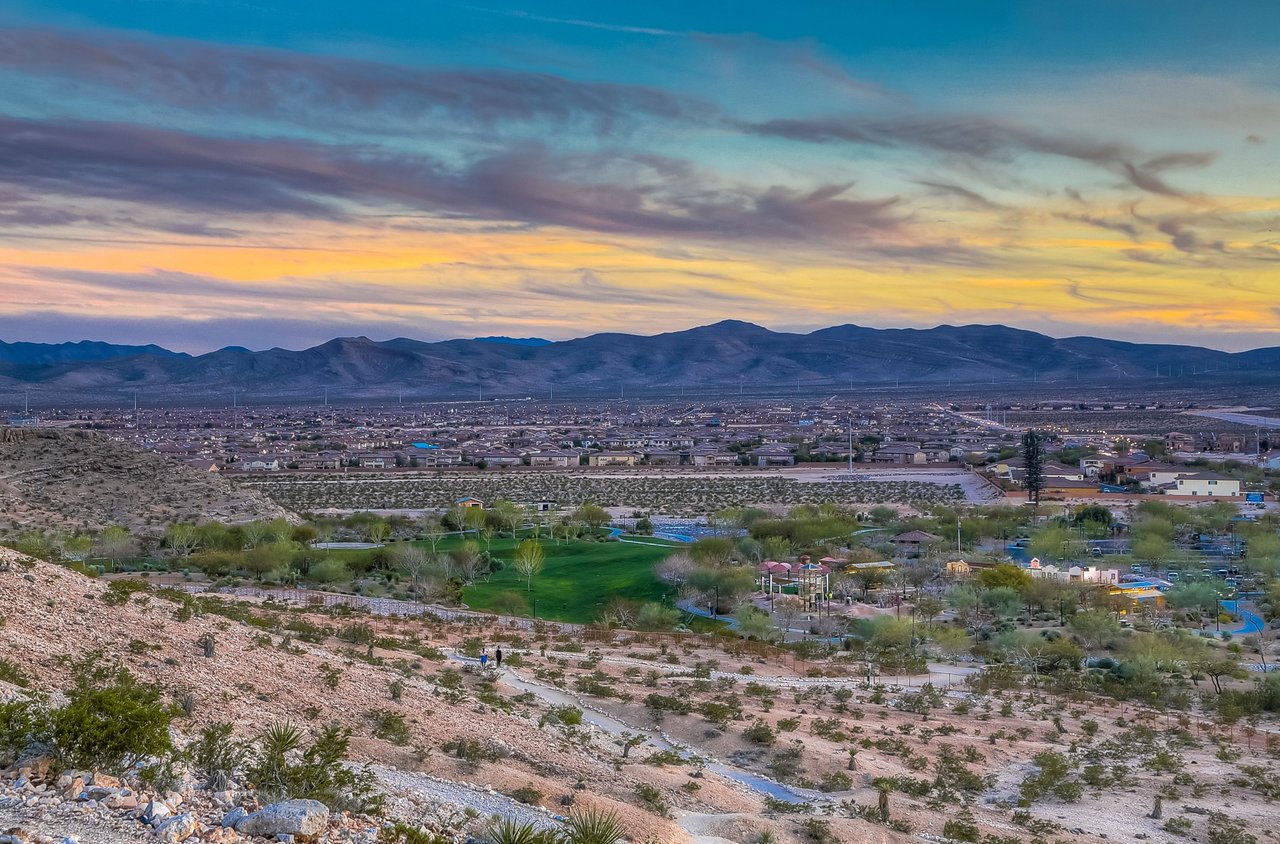
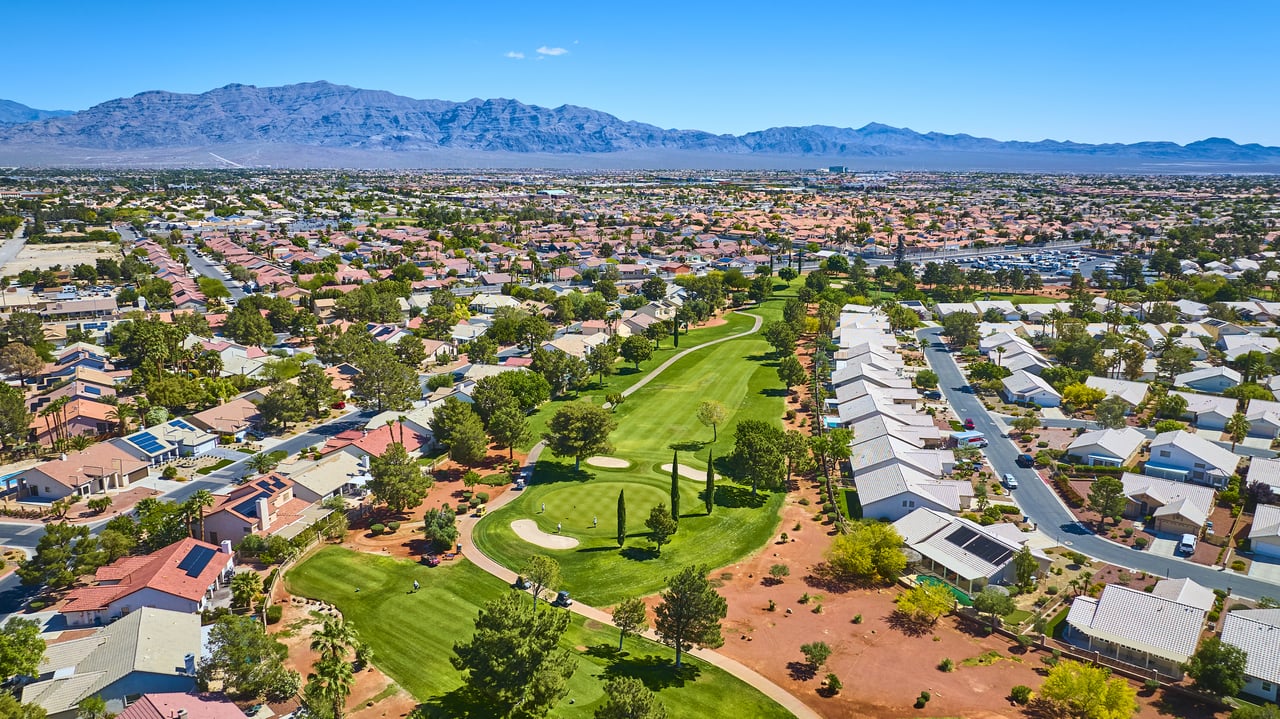
Las Vegas housing conditions can vary considerably between communities and property types. A single-story home in an established northwest neighborhood may attract different buyers than a newer property in Southwest Las Vegas or a custom home in Summerlin.
A comparative market analysis should examine recent closed sales, active listings, pending transactions and the characteristics of the property itself.
Square footage and bedroom count are starting points. Lot size, floor plan, condition, renovations, pool, garage configuration and location within the neighborhood can all affect value.
Online home estimates may provide a general reference, but they cannot reliably account for every property-specific difference.
Before recommending a listing price, I review the home alongside the properties buyers are most likely to consider as alternatives. That comparison also helps determine whether additional preparation is likely to support the asking price.
Managing Showings and Property Access
Once the home is listed, access needs to be coordinated for photography, showings, inspections, appraisals and any necessary repairs.
Vacant homes may be easier to schedule, but they still require attention. Utilities should remain operational, landscaping may need maintenance and the property should be checked periodically.
If tenants occupy the home, showing arrangements must account for the lease, applicable notice requirements and the occupants' rights. The seller and agent should establish a workable access plan before marketing begins.
Owners should also consider who is responsible for checking the property between appointments and responding if a maintenance issue develops.
Clear communication is particularly important when the seller cannot visit the home personally. Regular updates about showings, buyer feedback and property conditions allow the owner to remain involved in decisions without needing to be physically present.
Reviewing Offers and Negotiating From a Distance
An out-of-state seller can review offers, discuss terms and negotiate a purchase agreement remotely.
Price is an important part of the offer, but the full terms need to be considered.
Financing, earnest money, contingencies, requested concessions, the proposed closing date and the buyer's ability to complete the purchase all affect the transaction.
A higher offer may include conditions that introduce additional costs or uncertainty. Seller concessions, repair requests and closing expenses also affect the amount the owner ultimately receives.
I review these details with sellers so they understand the financial terms and contractual obligations before deciding how to respond.
Once an offer is accepted, communication remains important as inspections, appraisal, financing and title work move forward.
Inspections, Repairs and Closing
After the property goes under contract, the buyer may arrange inspections and request repairs or concessions based on the findings.
For an owner living out of state, inspection reports can be reviewed electronically, and repair estimates can often be obtained through local contractors.
The seller still needs to make decisions about which requests to accept, reject or negotiate. The purchase agreement and applicable deadlines govern those decisions.
Closing can also frequently be completed without traveling to Las Vegas, although the arrangements depend on the title company, lender requirements and the documents involved.
Some documents may require notarization. Remote online notarization, a mobile notary or signing through an approved local office may be available, depending on the transaction.
Sellers should discuss signing arrangements with the title company early, particularly if they live outside the United States or anticipate difficulty accessing a notary.
Before closing, the seller also needs a plan for removing personal belongings, transferring possession, handling keys and access devices, and arranging any remaining property services.
Additional Considerations for Inherited and Investment Properties
Some out-of-state sales involve properties that were inherited or previously used as rentals.
An inherited property may require confirmation of ownership and the legal authority to sell. If the property is part of an estate, the seller should work with the appropriate attorney or estate representative to determine what documentation or court approval may be necessary.
Rental properties introduce other questions, including existing leases, security deposits, tenant notices and how possession will be transferred.
Owners should also consult a qualified tax professional about potential tax consequences, including capital gains, depreciation recapture or issues related to an inherited property's tax basis.
These matters are best addressed before listing, when there is time to identify documentation requirements and potential complications.
Working With a Las Vegas Agent While Living Elsewhere
A remote sale still requires the same careful attention to pricing, presentation, negotiation and closing as a local transaction. It also requires someone in Las Vegas who can coordinate the work taking place at the property.
I've worked in Las Vegas real estate for more than 25 years, helping buyers and sellers with traditional residential homes, investment properties and luxury real estate. My experience includes assisting owners who need to manage a sale from another location.
I help sellers understand their property's current market position, evaluate preparation costs, coordinate access and review offers and transaction details. Throughout the process, I provide updates so decisions can be made without unnecessary travel.
If you own a home in Las Vegas, Henderson, Summerlin or the surrounding communities and are considering selling from out of state, contact Tim Low to discuss the property and the steps involved in preparing it for sale.