One of the first things I consider when preparing a luxury home for the Las Vegas market is what the property is actually competing against.
The answer isn't always the house next door.
A custom estate in The Ridges may appeal to buyers who are also considering The Summit Club or another part of Summerlin. A buyer looking at an elevated contemporary home in MacDonald Highlands may also be considering Ascaya. Someone interested in golf-course living could compare properties in entirely different parts of the valley.
At the luxury level, buyers often search according to a combination of lifestyle, architecture, amenities, privacy and location rather than drawing a tight geographic boundary around a neighborhood.
That changes how a property should be evaluated before it ever reaches the market.
After more than 25 years in Las Vegas real estate, I have found that successful luxury positioning begins with understanding where the home fits within the choices available to the buyer most likely to purchase it.
Pricing Requires More Than Finding Nearby Comparables
Comparable sales remain an important part of determining value, but luxury homes frequently require more interpretation.
The challenge is simple: the more distinctive a property becomes, the fewer truly comparable properties may exist.
Square footage, bedroom count and recent neighborhood sales provide useful data. They don't necessarily account for differences in lot quality, elevation, views, privacy, architecture, renovation, construction quality or outdoor living.
Consider two similarly sized homes in the same community. One may have an unobstructed Strip view and exceptional privacy. The other may occupy an interior lot with neighboring homes directly behind it.
Those aren't minor differences simply because the houses share a ZIP code and similar square footage.
Pricing a luxury home requires understanding which characteristics buyers are likely to pay more for and which improvements may have cost the seller considerably more than the market will return.
What an Owner Invested and What a Buyer Values Can Be Different
This can be one of the more difficult parts of selling a highly customized home.
Luxury homeowners often make significant investments in their properties. Custom cabinetry, imported materials, specialized rooms, elaborate technology and extensive renovations can represent substantial expenditures.
Those improvements may absolutely enhance the home.
The question for resale is how much they enhance its market value.
Some improvements appeal to a broad luxury buyer pool. Others are highly personal. A feature that was worth a substantial investment to the current owner may have little influence on what another buyer is willing to pay.
That doesn't mean the improvement was a mistake. A home is also a place to live and enjoy.
It does mean sellers benefit from separating cost from market contribution when establishing an asking price.
The Lot Can Carry Significant Value
Just as I encourage luxury buyers to evaluate the homesite carefully, sellers should understand how their lot contributes to the property's position in the market.
Las Vegas provides characteristics that can make individual homesites meaningfully different even within the same community.
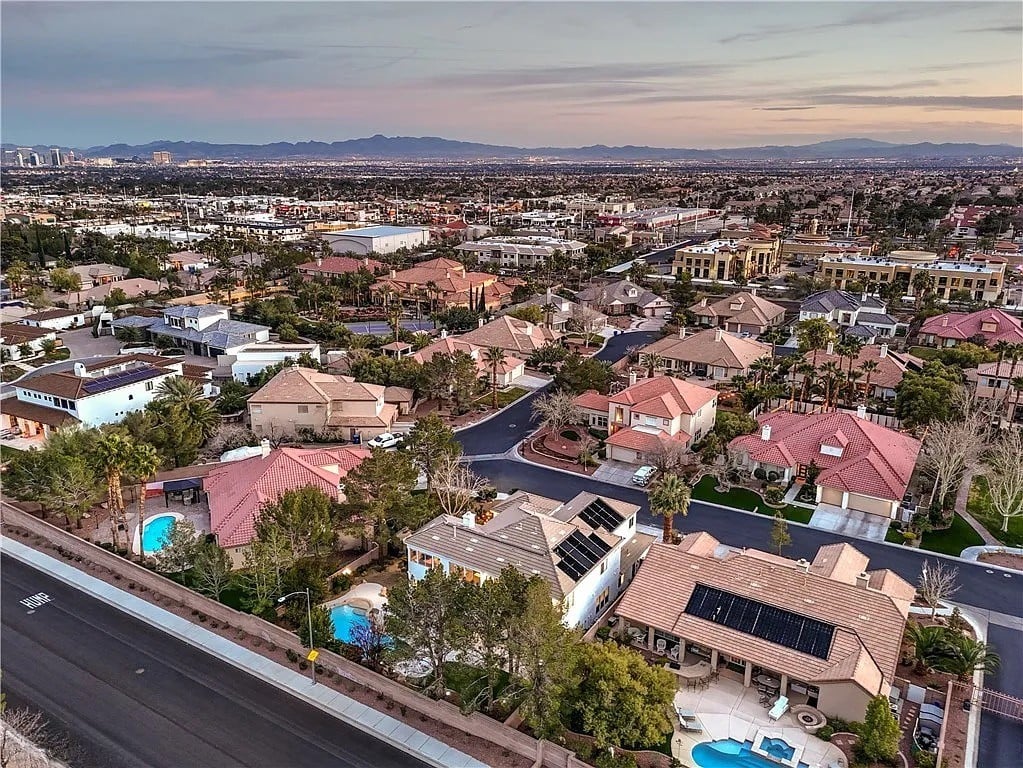
Elevation can create Strip or valley views. Western locations may provide dramatic Red Rock or mountain settings. Golf frontage can be highly desirable. Larger setbacks and thoughtful positioning can create privacy that neighboring properties don't have.
Lot orientation also affects how a home lives.
Sun exposure, shade, pool placement and the usability of outdoor spaces matter in the desert climate. A backyard that photographs beautifully may function very differently at four o'clock on an August afternoon depending on its orientation and available shade.
When a property has an exceptional homesite, that advantage should be identified and communicated clearly.
Architecture Can Expand or Narrow the Buyer Pool
Luxury architecture in Las Vegas has changed considerably over the past several decades.
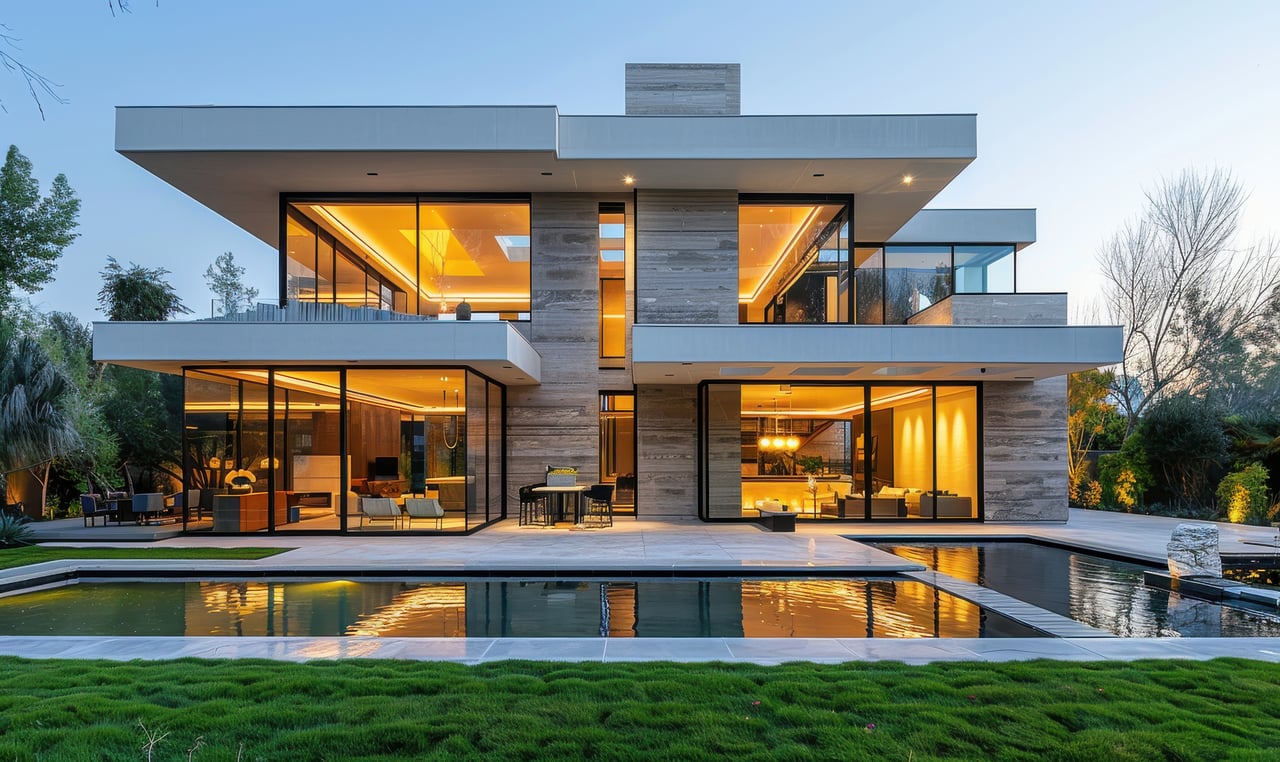
The market includes Mediterranean and Tuscan-inspired estates, traditional homes, desert contemporary architecture and increasingly minimalist modern residences.
There is a buyer for many styles, but demand isn't necessarily equal at any given time.
A well-executed architectural style can become an important selling point. A highly specific design may require more targeted positioning and potentially more patience.
Renovations introduce another consideration.
Updating an older luxury home doesn't necessarily mean stripping away everything that gives it character. The strongest renovations tend to improve functionality and presentation while respecting the architecture of the property.
Before recommending substantial pre-sale changes, I want to understand whether the likely return justifies the investment.
Sometimes it does.
Sometimes the better decision is to price and position the property appropriately for the buyer who will see the opportunity.
Condition Matters Even When Buyers Plan to Renovate
Luxury buyers may have the resources to renovate a home, but that doesn't mean condition becomes irrelevant.
Deferred maintenance can influence both perception and negotiation.
A buyer may happily replace finishes while reacting very differently to aging HVAC systems, roof concerns, pool equipment, water intrusion, outdated electrical components or other maintenance issues.
Complex luxury properties can also contain multiple systems that require specialized attention.
Understanding the home's condition before listing gives the seller an opportunity to decide what should be addressed, what should be disclosed and what should simply be reflected in the property's positioning.
It also reduces the likelihood that preventable surprises emerge after the home is under contract.
Presentation Should Clarify What Makes the Home Worth Considering
Luxury marketing is often associated with beautiful photography and video, and those elements are important.
But presentation has a larger purpose.
It should help a qualified buyer understand why this particular property deserves attention.
If the home's defining advantage is its architecture, the marketing should communicate the design. If it's the homesite, the photography needs to establish the setting. If the property has exceptional indoor-outdoor living, that relationship should be obvious. If privacy is one of its strongest qualities, the presentation should help the buyer recognize it.
A collection of attractive room photographs isn't enough when the home has a larger story to tell.
The same principle applies to the written description. Luxury buyers don't need more adjectives. They need meaningful information about the qualities that distinguish the property.
First Impressions Begin Before the Showing
Online presentation determines whether many buyers ever walk through the door.
Once they do, the physical experience takes over.
Luxury buyers tend to notice details. Lighting, temperature, landscaping, windows, odors, maintenance and even the way a home is entered can influence the impression they form.
This doesn't mean every luxury listing should look like an untouched model home.
It means the property should feel intentionally prepared.
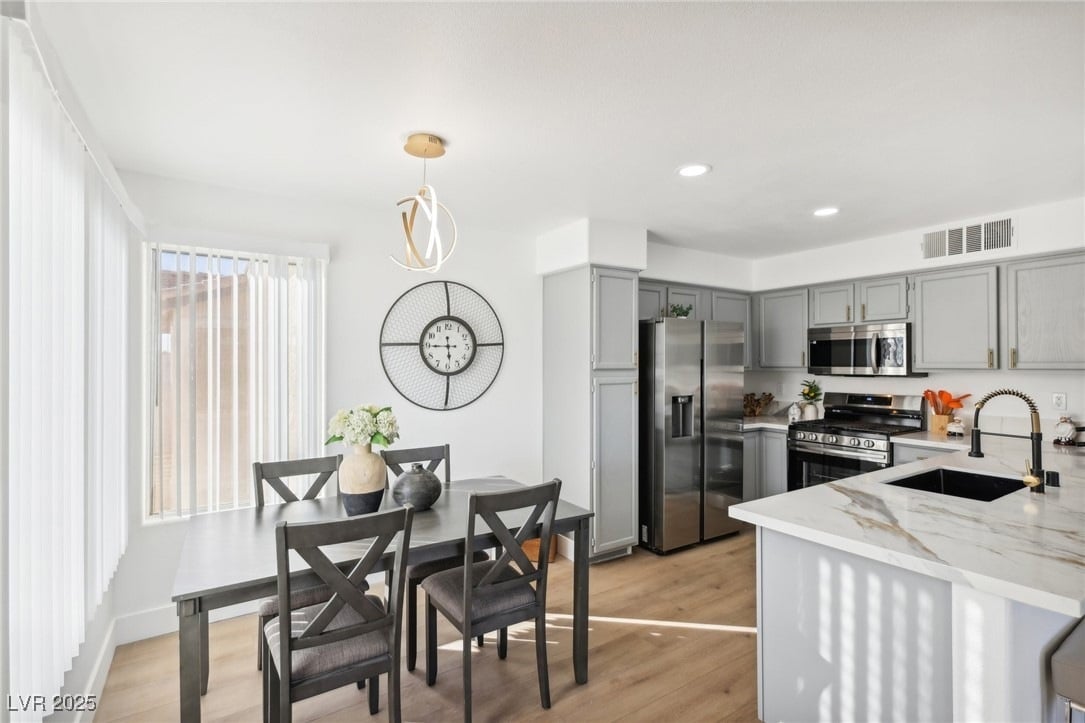
For occupied homes, that may involve editing furnishings and personal items rather than removing everything. For vacant properties, staging may help establish scale and purpose in rooms that otherwise feel difficult to interpret.
The strategy should respond to the individual property rather than following a standard checklist.
The Buyer Pool May Be Smaller, but It Can Also Be Broader Geographically
A luxury home generally has fewer financially qualified buyers than a more moderately priced property.
At the same time, Las Vegas attracts buyers from well beyond Southern Nevada.
California remains an important source of relocation to the valley, but luxury buyers may arrive from markets across the country and internationally. Some are relocating permanently. Others are purchasing second homes or establishing Nevada residences while maintaining homes elsewhere.
That makes digital presentation particularly important.
An out-of-market buyer may decide whether a property deserves a flight to Las Vegas based almost entirely on what can be learned online.
The marketing therefore needs to answer more than, "What does the house look like?"
It should help that buyer understand the community, location, lifestyle and property's position within the Las Vegas luxury market.
Market Time Needs Context
Days on market can influence buyer perception, but the number deserves context in luxury real estate.
Distinctive properties sometimes require more time because the qualified buyer pool is naturally smaller. A highly customized home may need the right buyer rather than simply more buyers.
That doesn't mean extended market time should automatically be dismissed as normal for luxury property.
If a home isn't generating meaningful interest, the response should be analytical.
Is the pricing aligned with current competition? Is the presentation communicating the property's strongest qualities? Has market inventory changed? Are buyers responding negatively to condition, architecture or location? Is there a gap between the seller's perception of value and what current buyers are demonstrating?
Market feedback becomes useful when it is interpreted rather than simply reported.
Privacy and Exposure Need to Be Balanced
Some luxury sellers place a high value on privacy.
That can affect photography, showing procedures, property information and how broadly certain details are distributed.
There may also be situations where a seller prefers a more private marketing approach.
Privacy should be intentional, however.
Restricting exposure reduces the number of buyers who can discover a property. That may be an acceptable tradeoff for a particular seller, but it should be understood before the strategy is chosen.
The objective is to find the appropriate balance between protecting the seller's privacy and creating enough exposure to reach the property's likely buyer.
The Highest Offer Isn't Always the Strongest Offer
When offers arrive, price naturally receives the most attention.
Luxury transactions can contain other terms that materially affect the seller.
Financing structure, appraisal requirements, contingencies, due diligence periods, requested inclusions, closing timeline and proof of funds can all influence the strength of an offer.
Complex homes can also generate more detailed inspection and repair negotiations.
Evaluating an offer therefore means understanding both the number on the first page and the likelihood that the transaction will reach closing on the terms presented.
Know What Makes the Property Difficult to Replace
When I evaluate a luxury listing, one of the questions I ask is: What does this home have that a buyer cannot easily reproduce somewhere else?
Sometimes the answer is the homesite.
It might be an unobstructed view, exceptional privacy, acreage, golf frontage or a location within the community that rarely becomes available.
Sometimes it is the architecture or quality of construction.
Sometimes it is a combination of attributes that would require years and substantial expense to recreate.
Those characteristics deserve particular attention because they often provide the strongest foundation for positioning a luxury property.
A seller doesn't need to claim that everything about the home is exceptional.
The more credible strategy is to understand what genuinely is.
Selling Well Begins Before the Property Is Listed
The work involved in selling a luxury home starts well before photography and a listing date.
Pricing, condition, preparation, competitive inventory, presentation and the likely buyer should all be considered together.
That is particularly important in Las Vegas because luxury properties can differ so dramatically from one community—and one homesite—to another.
My objective is to help a seller enter the market knowing where the property stands, which characteristics strengthen its position and where buyers may see compromises.
That creates a much stronger foundation for decisions once the home is on the market.
Luxury marketing can bring buyers to a property. Correct positioning gives them a reason to take it seriously.
Considering Selling a Luxury Home in Las Vegas?
Timothy Low brings more than 25 years of Las Vegas real estate experience to helping homeowners evaluate, prepare and position luxury properties for the market. Explore Timothy's Seller's Guide or connect with him for a conversation about your property and its position in today's Las Vegas luxury market.