What to Consider Before You Decide
Selling a home is rarely an isolated real estate decision. Understanding your property's value, equity, current Las Vegas market conditions and what comes next can help determine whether selling makes sense for you.
How Do I Know If I Should Sell My Las Vegas Home?
Homeowners usually start thinking about selling well before they are ready to put a property on the market.
Maybe the house no longer fits the way you live. You may be considering downsizing, relocating, moving closer to family or purchasing something different within Las Vegas. You may own a second home or investment property that no longer serves the same purpose it once did.
Sometimes there isn't an immediate reason to move. You simply want to know what the property is worth and whether the equity you've built creates an opportunity.
After more than 25 years in Las Vegas real estate, I think that is exactly where a good selling conversation should begin.
Whether it makes sense to sell your Las Vegas home generally comes down to five things: what the property is worth today, how much equity you have, what selling and moving would cost, where you would go next, and whether current demand for your type of property supports your goals.
Before discussing marketing or choosing a list price, I want to understand what selling would accomplish for the homeowner.
That answer provides context for almost every decision that follows.
Start With Why You Are Considering Selling
The reason for selling influences the strategy.
A homeowner relocating for work may have a firm deadline. Someone retiring or downsizing may have considerably more flexibility. A seller purchasing another Las Vegas home needs to coordinate two transactions, while someone leaving Nevada may be weighing housing decisions in two different markets.
There are also homeowners who would sell if the financial outcome made sense but are perfectly comfortable staying where they are.
If you don't need to sell, you can evaluate the opportunity differently from someone working within a fixed timeline. Price, preparation, possession and offer terms may all carry different weight.
Before focusing on what the market is doing, define what a successful move would look like for you.
How Much Is Your Las Vegas Home Actually Worth?
Most homeowners can find an estimated home value online within seconds.
Those estimates can provide general context, but they cannot always account for the characteristics that distinguish one Las Vegas property from another.
Condition and renovations matter. So do the homesite, view, privacy, pool and outdoor living, floor plan and exact position within a neighborhood.
Those differences become even more significant with luxury and custom homes.
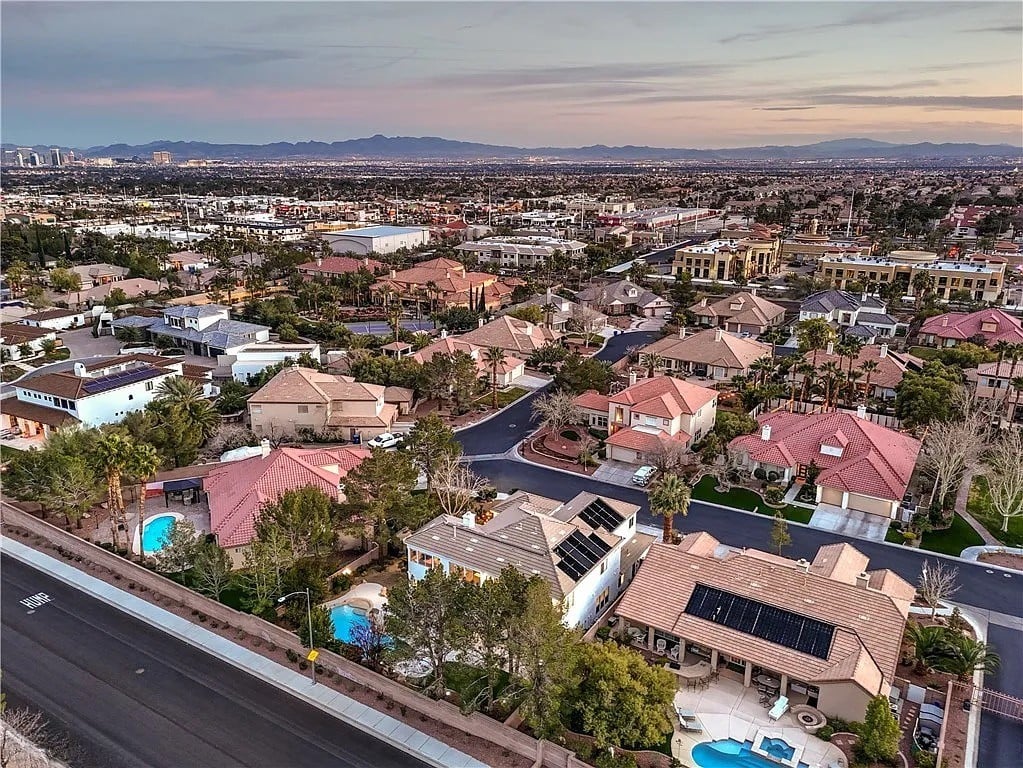
Two properties with similar square footage in Summerlin may have very different values because one occupies an elevated homesite with a desirable view while another doesn't. A thoughtfully renovated home may compete differently from a similar property that hasn't been updated. Even two houses on the same street may not be true comparables.
Current competition matters as well. Buyers don't evaluate your home in isolation. They compare it with the other properties available to them at a similar price.
This is why I prefer to evaluate the individual property before giving a homeowner an opinion of value.
The objective isn't to produce the highest possible number. It is to establish a realistic range supported by the property, comparable sales and current competition so the homeowner can make decisions using information that is actually useful.
What Would Selling Put You in a Position to Do?
The potential sale price is only one part of the financial decision.
Equity and estimated net proceeds tell us much more.
Start with the property's estimated market value and consider the remaining mortgage balance, if there is one. From there, estimated selling expenses and transaction costs provide a clearer picture of what may remain after the sale.
Then compare that outcome with the cost of staying.
Are major systems approaching replacement? Is the property larger than you want to maintain? Are pool, landscaping, utility and maintenance expenses still worthwhile for the way you use the home?
For some homeowners, those costs are entirely acceptable because they enjoy the property and would have difficulty replacing what they have.
For others, accumulated equity combined with the ongoing cost of ownership may create an opportunity to make a change.
The useful question isn't simply, “What could I sell my house for?”
It is, “What would selling leave me in a position to do next?”
Know Where You Would Go Before You Sell
Selling is only half of the move.
If you plan to remain in Las Vegas, what would you purchase next?
A Summerlin homeowner considering downsizing may discover that the smaller home they want isn't dramatically less expensive once community, condition and amenities are considered. Another homeowner may find that moving from an older property into newer construction makes sense even if the square footage remains similar.
Someone relocating out of Nevada has a different calculation. The housing market in the destination city, moving timeline and availability of suitable properties there can all influence when a Las Vegas home should be listed.
If you plan to rent after selling, that deserves evaluation too.
This is particularly important when a homeowner is selling and buying at the same time. Timing, financing, possession and the strength of the local market can influence how the two transactions should be coordinated.
A sale can look attractive when considered on its own. It needs to make sense when the next step is included.
Is It a Good Time to Sell a Home in Las Vegas?
This is one of the most common questions homeowners ask.
The broad Las Vegas market provides useful context, but it doesn't tell us enough to answer the question for an individual seller.
The better question is whether current conditions support your type of property, in your location, at the price point where it would compete.
Inventory can vary considerably across the Las Vegas Valley. Conditions affecting a moderately priced single-family home aren't necessarily the same as those affecting a custom luxury property. Summerlin may have different competitive dynamics from Henderson. Even within Summerlin, an established resale home can face different competition from newer construction or a property in a guard-gated luxury community.
I also want to know what a buyer could purchase instead of your home.
How does your property compare in condition, location, features and price? Are buyers finding several similar choices or very few? How quickly are the most relevant competing properties attracting offers?
Those questions tell us much more about a seller's opportunity than a valley-wide headline.
Should I Sell My Las Vegas Home Now or Wait?
Waiting can be the right decision.
The important part is understanding what you expect waiting to accomplish.
Perhaps the home needs work and you want time to prepare it properly. Maybe your personal timeline changes next year. You could be waiting for a new home to be completed or for circumstances in another market to become clearer.
Those are tangible reasons to wait.
Trying to predict a perfect future real estate market is different.
Home prices, mortgage rates, inventory and buyer demand can all change, and they don't necessarily move together. Lower mortgage rates in the future, for example, could bring additional buyers into the market while also encouraging more homeowners to list their properties.
If waiting is part of the strategy, I like to identify what specifically needs to improve and how that improvement would benefit the homeowner.
If we can't answer that question, waiting may simply mean exchanging today's known conditions for an uncertain future market.
What Should You Fix Before Selling?
Another reason to begin the selling conversation early is that a property may benefit from preparation.
That doesn't mean every home needs a renovation.
In fact, one of the easiest ways for a seller to overspend is to begin making improvements without first understanding which ones are likely to matter to buyers.
Deferred maintenance deserves attention. An aging HVAC system, visible water damage, damaged flooring, neglected pool equipment or exterior maintenance issues can affect buyer confidence.
Cosmetic decisions require more judgment.
Fresh paint or flooring may materially improve presentation. A complete kitchen remodel immediately before selling may not return enough additional value to justify the expense.
Luxury properties deserve particularly careful evaluation because improvements can become expensive quickly. A homeowner can invest substantially in something that reflects personal taste without increasing market value by an equivalent amount.
I prefer to see the property before a seller commits to major pre-listing expenses.
Sometimes the right recommendation is to make the improvement.
Sometimes it makes more sense to leave the property alone and position it appropriately for its condition.
You Don't Have to Be Ready to List to Know Your Options
Some homeowners wait to contact a real estate agent until they are ready to put the property on the market.
There is value in having that conversation earlier.
A property evaluation can help answer questions about likely value, relevant comparable sales, current competition, preparation and timing without requiring a commitment to sell.
It can also prevent unnecessary work.
If the home would benefit from repairs or preparation, you have time to make those decisions deliberately. If selling doesn't currently produce the financial outcome you need, you know that before investing time and money preparing the property.
And if the value, equity and circumstances do support a move, you can begin planning from a much stronger position.
Make the Decision Based on Your Property and Your Goals
There will always be headlines telling homeowners that it is a great time to sell, a difficult time to sell or that they should wait for whatever comes next.
None of those headlines knows anything about your house.
They don't know what you owe, how much equity you have, what condition the property is in, whether it has characteristics buyers are actively seeking, what competing inventory looks like or where you intend to go after the sale.
Those are the factors that matter.
The decision to sell a Las Vegas home ultimately comes down to a personal and practical question:
Does selling this property under current conditions put you in a better position to accomplish what you want to do next?
If the answer is yes, then it makes sense to begin discussing preparation, pricing and a strategy for bringing the property to market.
If the answer is no, knowing that can be just as valuable.
Considering Selling Your Las Vegas Home?
Timothy Low brings more than 25 years of Las Vegas real estate experience to helping homeowners understand their property's value, current competition and options before making a decision to sell.
If you're considering selling a home in Las Vegas or Summerlin, connect with Tim for a property-specific conversation about where you stand and what your next move could look like.