What Should You Do to Your Home Before Selling?
Once a homeowner decides to sell, one of the first questions is usually some version of this:
What should I do to the house before I put it on the market?
The answer isn't the same for every property.
In general, I recommend prioritizing deferred maintenance, visible condition issues, cleanliness and presentation first. Then we can decide whether selective cosmetic updates would meaningfully improve the home's position against competing properties. Major renovations deserve much more scrutiny because the money spent doesn't automatically translate into an equivalent increase in sale price.
After more than 25 years in Las Vegas real estate, I would rather walk through a property with a homeowner before they begin spending money.
The objective isn't to create a perfect house.
It is to determine what could prevent buyers from seeing the value that is already there.
Start With the Property You Actually Have
Before making a list of projects, I want to understand the home's likely position in the market.
What is the price range? How old is the property? What condition is it in? Has it already been updated? What do competing homes offer? And what will buyers reasonably expect at this price point?
Those questions matter because preparation should be specific to the property.
A luxury home in Summerlin competing against extensively updated residences may benefit from a different preparation strategy than a well-maintained home where buyers expect to make some improvements themselves.
The same is true of architecture.
An older custom home doesn't necessarily need to be redesigned to resemble new construction. Sometimes its architecture, lot, mature landscaping or location are precisely what distinguish it.
Preparation should strengthen the home's market position rather than erase what makes it valuable.
Fix Deferred Maintenance Before Chasing Cosmetic Perfection
If the home has obvious maintenance problems, I generally want to evaluate those before discussing decorative improvements.
Buyers notice signs that a property hasn't been maintained.
A plumbing leak, water damage, malfunctioning equipment, damaged exterior surfaces or an HVAC system that isn't operating properly can create concerns beyond the cost of the individual repair. Buyers may begin wondering what else hasn't been maintained.
Current seller research reflects that behavior. Move-in-ready condition and the absence of major repair issues remain important to buyers, with updated or well-maintained electrical, plumbing and HVAC systems also influencing confidence.
That is particularly relevant in Las Vegas, where air-conditioning systems work hard for much of the year and pools, irrigation and extensive outdoor living can add additional equipment to maintain.
The goal isn't necessarily to replace every older component.
An older system that has been properly serviced and is functioning as intended is different from one showing obvious signs of neglect.
Should You Get a Pre-Listing Home Inspection?
For some sellers, a pre-listing inspection can be useful.
It may identify problems the homeowner didn't know existed and provide time to investigate costs and decide how to address them before a buyer discovers them during their own due diligence. Nevada sellers can sell without first obtaining an inspection, so this is a strategic choice rather than an automatic requirement.
I don't think every seller needs one.
If the home is relatively new, well maintained and its condition is understood, the benefit may be limited. An older or more complex property may present a different situation.
Luxury homes can also contain multiple HVAC units, sophisticated automation, pools and spas, water features, elevators, outdoor kitchens and other specialized systems. Knowing their condition before entering the market can make preparation and future negotiations more predictable.
A pre-listing inspection doesn't mean agreeing to repair everything an inspector identifies.
It provides information.
What we do with that information is a separate decision.
What Repairs Are Worth Making Before You Sell?
I generally divide potential repairs into three groups.
The first includes functional or condition issues likely to concern buyers. Active leaks, damaged components, malfunctioning systems and obvious deferred maintenance deserve serious consideration.
The second includes small repairs that disproportionately affect perception. A loose door handle, damaged trim, missing lightbulbs, cracked switch plates or doors that don't close properly may be inexpensive to address, but collectively they can make a property feel poorly maintained. Even seemingly minor maintenance details can influence how buyers perceive the overall care a home has received.
The third group is purely cosmetic.
This is where I become more selective.
A dated but functional fixture isn't necessarily something a seller needs to replace. Neither is every older appliance, cabinet, countertop or flooring material.
Before spending money, ask:
Will fixing this change how buyers evaluate the home, or am I simply replacing something because I personally would prefer it to be newer?
Those aren't always the same thing.
Should You Renovate Before Selling Your Las Vegas Home?
This is where sellers can spend a great deal of money very quickly.
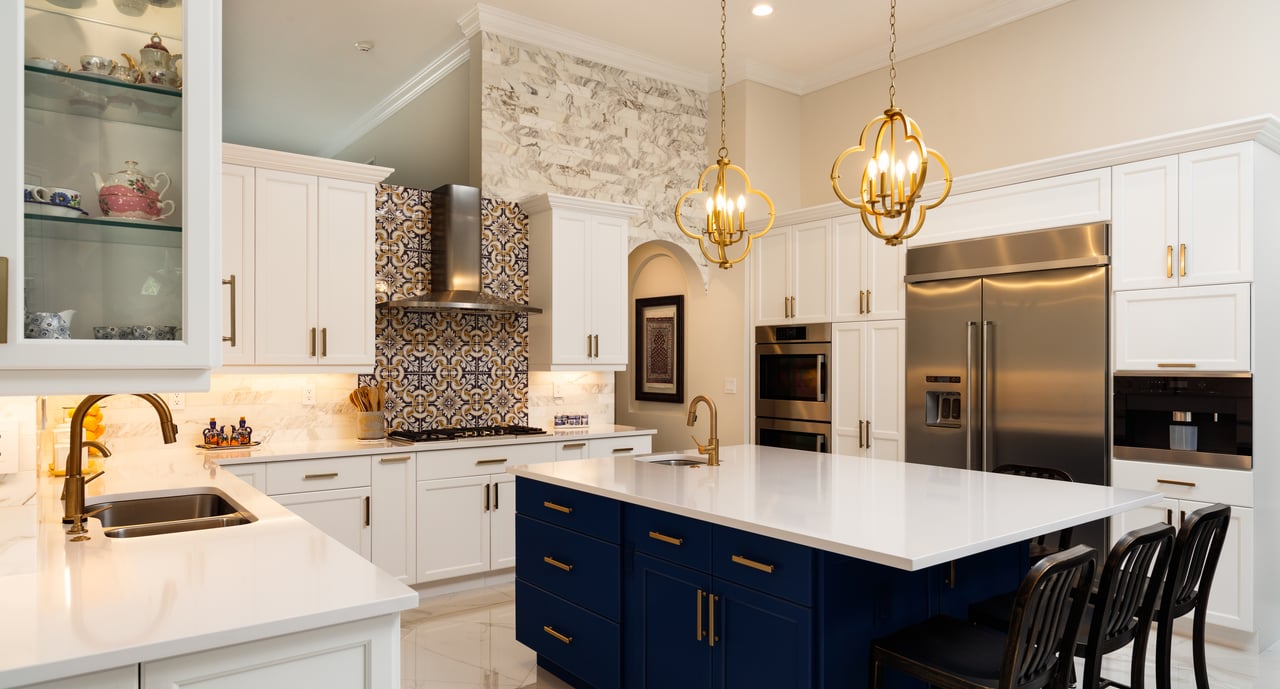
Kitchens and bathrooms receive significant buyer attention, so it's understandable that homeowners consider remodeling them before selling. But a renovation that buyers appreciate isn't necessarily a renovation that returns its full cost to the seller.
Large projects should therefore be evaluated against the property's current value, likely post-renovation value, competing inventory, project cost and time required.
Suppose a kitchen is dated but clean and functional.
A full renovation could certainly make the home more appealing. But if the project costs $80,000 and the market is unlikely to reward the property with an additional $80,000 or more in value, the seller may be better served by making smaller improvements and pricing the home appropriately.
There is another risk: you are choosing finishes for someone you haven't met.
The new owner may have renovated the kitchen differently.
For some homes, a substantial renovation before listing makes sense. For others, the better strategy is to let the next owner make those choices.
I want the market evidence to help make that decision.
Paint and Flooring Can Occupy a Useful Middle Ground
Not every improvement requires a construction project.
Paint and flooring can sometimes have an outsized influence on the overall impression of a home because they affect so much of what a buyer sees.
A heavily worn floor can make an otherwise well-maintained room feel tired. Strong or highly personalized wall colors can distract from architecture, natural light and room proportions.
That doesn't mean every seller should repaint the entire house beige or replace flooring that is in good condition.
The question is whether the existing finishes are helping buyers see the property or making them work to see past it.
This is where selective improvement can be more effective than wholesale renovation.
Las Vegas Outdoor Living Deserves the Same Attention as the Interior
In Las Vegas, preparing the house and ignoring the backyard is a mistake.
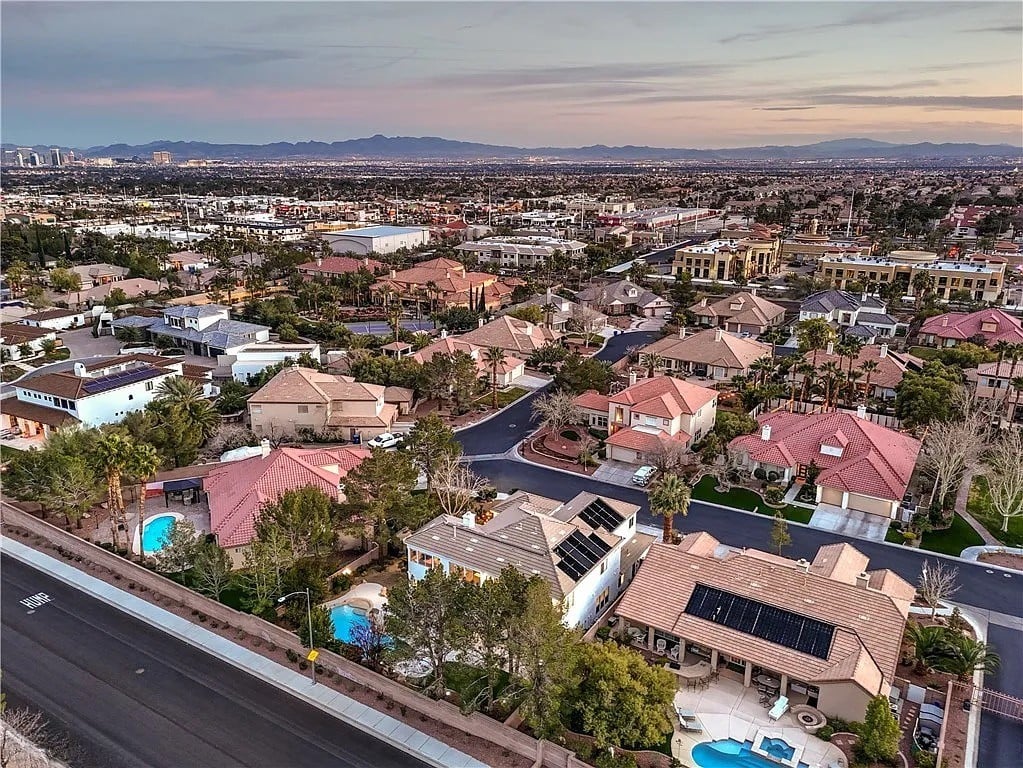
Outdoor living can be a significant part of how buyers evaluate a property, particularly in Summerlin and the valley's luxury market.
If the home has a pool or spa, I want the equipment functioning and the water looking properly maintained. Landscaping should look intentional rather than neglected. Hardscape, patios and outdoor kitchens should be clean and usable.
Shade matters too.
Covered patios, pergolas and thoughtfully designed outdoor areas help buyers understand how the space functions in the desert climate.
For a luxury property, the outdoor environment may be one of the home's strongest selling features. A pool, mature landscaping, outdoor kitchen and completed entertaining areas can also represent substantial time and expense that a buyer would otherwise need to recreate.
Those features should look like an extension of the home when the property reaches the market.
Declutter Without Removing All the Life From the House
“Declutter and depersonalize” has become standard seller advice.
The idea is sound. The execution can go too far.
The objective isn't to make an occupied home look vacant.
I want buyers to see the architecture, room proportions, natural light and important features without being distracted by an excess of belongings.
That may mean removing some furniture so a room feels larger. Kitchen and bathroom counters may need to be simplified. Closets that are tightly packed can benefit from editing because buyers will open them.
Highly personal collections and an abundance of family photographs can also pull attention away from the property.
But a home can still feel warm and lived in.
The goal is to give the buyer enough visual space to imagine their life in the home rather than concentrating on yours.
Is Home Staging Worth It?
Sometimes.
Staging is a tool, not a requirement.
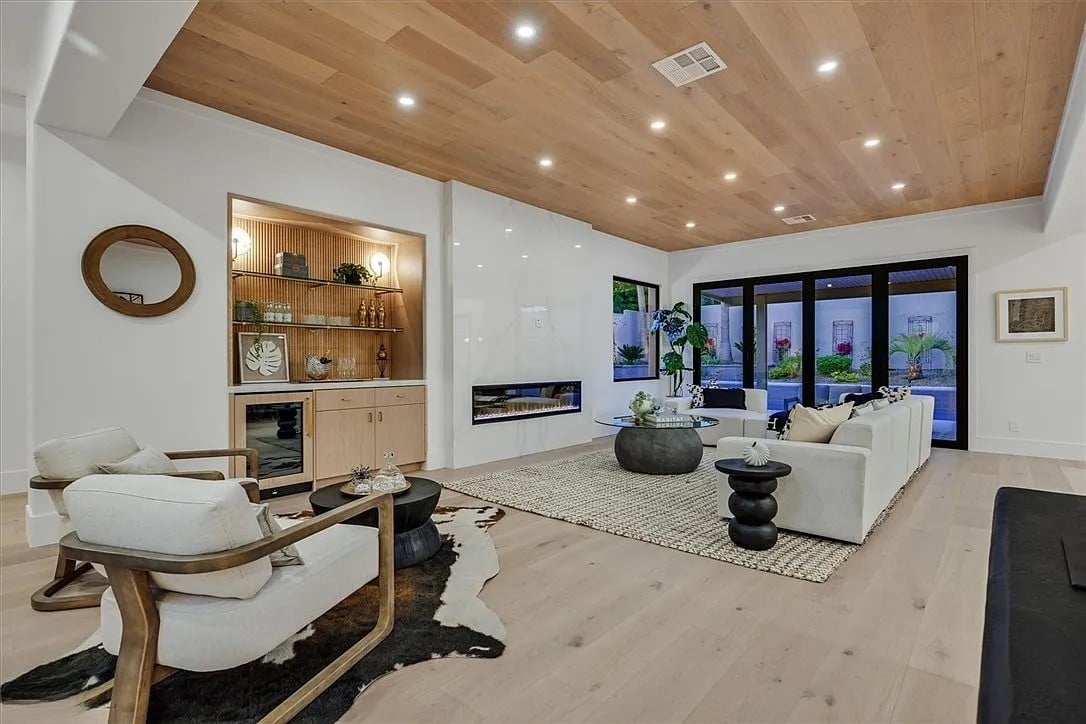
A vacant home with large or unusually shaped rooms may benefit significantly because furniture helps buyers understand scale and function. A luxury property may benefit from staging when its presentation needs to support the architecture and price point.
An occupied home with appropriate furnishings may need editing and repositioning rather than professional staging.
I also consider whether staging helps solve a specific problem.
Does a room have an unclear purpose? Does an open floor plan need visual definition? Is a vacant property difficult to understand from photographs?
If staging answers one of those questions, it can be useful.
If the home already presents well and buyers can easily understand the space, the money may be better spent elsewhere.
Curb Appeal in Las Vegas Looks Different
Traditional seller advice often talks about lush lawns, flower beds and seasonal landscaping.
That isn't necessarily the right framework for Las Vegas.
Good desert curb appeal is about maintenance, cohesion and condition.
Desert landscaping should look intentional. Rock and hardscape should be clean. Plants and trees should be healthy and appropriately maintained. Exterior lighting, gates, garage doors and the entry deserve attention.
The front door and entry sequence are especially important because this is where a buyer slows down.
They aren't looking at a listing photograph anymore. They're standing at the property long enough to notice the details.
A clean, well-maintained entrance begins building confidence before the showing really starts.
Prepare for Photography and Prepare for Showings
Professional photography is important because most buyers encounter a listing online before they see the property in person.
But photography can't solve a preparation problem.
It can make an attractive home look exceptional. It can communicate architecture, views and outdoor living. It can help an out-of-market buyer decide that a Las Vegas property is worth seeing.
It also records clutter, worn finishes and poor preparation very effectively.
I prefer to complete the preparation strategy before scheduling photography.
Then the property needs to maintain that standard once showings begin.
Lighting, temperature, cleanliness, landscaping and the way the home feels when someone enters all contribute to buyer perception.
The online presentation should create the expectation.
The showing should confirm it.
Don't Spend Money Until You Know What Your Home Is Competing Against
This may be the most important advice I can give a seller who is preparing a Las Vegas home for the market.
Don't renovate in a vacuum.
Look at the homes buyers will compare with yours.
If competing properties are extensively renovated and buyers are consistently paying a premium for that condition, selective improvements may strengthen your position.
If the property has an exceptional homesite, desirable location or other difficult-to-reproduce qualities, buyers may be more willing to accept dated finishes.
If virtually every comparable property needs updating, you may not need to transform yours into a model home to compete.
Preparation should respond to the market that exists—not to a generic checklist.
The Goal Isn't Perfection. It Is Buyer Confidence.
A home doesn't have to be new to sell well.
It does need to make sense at its price.
Buyers should be able to understand the property's strengths without being distracted by preventable maintenance problems, unnecessary clutter or presentation issues.
That is why I recommend deciding what to do before hiring contractors or beginning a renovation.
Some properties need meaningful work before they reach the market. Others need a deep cleaning, a handful of repairs and thoughtful presentation. Occasionally, the strongest financial decision is to do very little and price the property accordingly.
The right preparation plan is the one that improves the home's market position without spending money simply for the sake of making it look newer.
Every dollar invested before listing should have a reason behind it.
Preparing to Sell Your Las Vegas Home?
If you’re preparing to sell a home in Las Vegas or Summerlin, I can help you evaluate your property’s condition, current competition and market position before you start spending money on repairs or improvements.
With more than 25 years of Las Vegas real estate experience, I’ve learned that preparing a home for sale is rarely about doing everything. It’s about identifying what will matter to buyers, what could affect the sale, and where your time and money are most likely to make a difference.
If you’re considering selling, contact me before beginning any major pre-sale projects. We can walk through the property and develop a preparation strategy based on your home and the market it will be entering.